
Investing in Women’s Health: A Call to Action
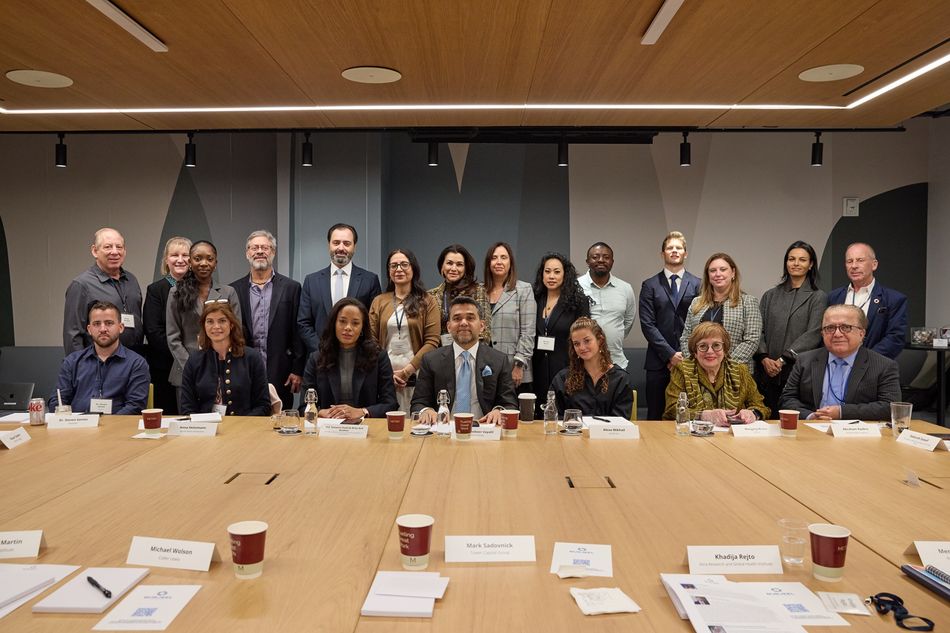
In a significant gathering during the 81st United Nations General Assembly (UNGA), global leaders and advocates focused on a pressing issue: women’s health. Burjeel Holdings hosted a high-level roundtable titled “The $1 Trillion Case for Women’s Health,” emphasizing an urgent need for integrated, scalable healthcare solutions for women globally.
The Urgency of Addressing Women’s Health Gaps
At the forefront of this initiative was HRH Ambassador Reema Bandar Al-Saud, the Saudi Arabian ambassador to the United States. She underscored the interconnection between women’s physical and mental health, advocating for a holistic approach to healthcare. In her address, she stated, “It begins with knowledge and prevention. We have to create an environment where women feel comfortable discussing their health.” This message resonated as the need for inclusive conversations grew, crucial for fostering a supportive healthcare space.
The World Economic Forum highlights a staggering projection: if the global women’s health gap remains unaddressed, it could result in a financial impact exceeding $1 trillion annually by 2040. Such statistics showcase not only the economic ramifications but also the urgency of prioritizing women’s healthcare on a global stage.
Strategic Initiative Under Saudi Vision 2030
Saudi Arabia’s commitment to women’s health is evident in its Vision 2030 initiative, where it has been identified as a national priority. The country’s Ministry of Health refers to women’s health as a “development asset” essential for the well-being of future generations. Existing initiatives, such as early detection programs for cancer, have already shown positive outcomes; the maternal mortality rate has decreased to approximately 7.4 deaths per 100,000 live births in 2023, thanks to skilled healthcare personnel attending over 99% of births nationally.
Cervical cancer screening remains a key focus area for health authorities, with efforts to expand early detection and preventive care strategies significantly. These steps mark a robust commitment to not just maintaining but enhancing women’s health throughout various life stages, from adolescence to post-menopause.
Collaborative Efforts and Future Directions
Dr. Shamsheer Vayalil, Chairman and CEO of Burjeel Holdings, engaged with 23 leaders across various sectors to further explore women’s healthcare advancements. He stressed that targeted investments could yield substantial results in women’s health, helping bridge existing gaps effectively. The conversation also delved into innovative healthcare models being developed in Saudi Arabia, aimed at creating adaptable frameworks for regions facing similar challenges, particularly in Africa and the Global South.
Dr. Vayalil emphasized the necessity of an evidence-based and culturally relevant approach to healthcare. He stated, “Women’s health has been under-researched and underfunded; prevention, alongside diagnostics and reproductive care, is vital for progress.” This holistic viewpoint is crucial for ensuring real advancements in women’s health outcomes.
A Unified Approach Moving Forward
As discussions unfolded, participants identified three essential components vital for closing the women’s health gap: consistent investment in healthcare systems, widespread adoption of technology in service delivery, and innovative care models that showcase tangible results. As Ms. Khadija Rejto, Chair of Global Health at the Atria Research and Global Health Institute noted, “Investors have long overlooked women’s health despite its growth potential.”
The collective aim remains clear: enhance investments, prioritize women’s health in global conversations, and innovate care frameworks. Only with sustained efforts can we hope to close the gaps in women’s healthcare and unlock immeasurable potential for individuals and economies alike.