
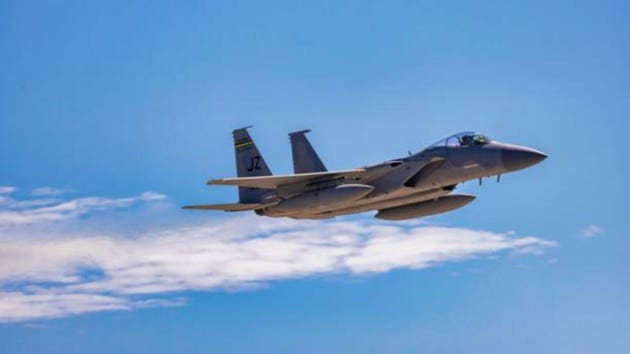
The recent announcement from the U.S. State Department regarding arms sales to Saudi Arabia has garnered significant attention. The potential deal, valued at approximately $5.75 billion, includes Joint Direct Attack Munitions-Extended Range and AGT-1500 engines. This move signifies not only strategic military cooperation but also reflects the ongoing partnership between the U.S. and Saudi Arabia.
Details of the Proposed Arms Sales
The arms package slated for Saudi Arabia incorporates advanced military technology aimed at enhancing the capabilities of the Saudi military. The Joint Direct Attack Munitions-Extended Range (JDAM-ER) are precision-guided bombs that allow for greater accuracy and effectiveness in combat scenarios. With increased range capabilities, these munitions can significantly improve strike capabilities, allowing the Saudi military to engage targets more effectively from a distance.
Alongside the JDAM-ER, the AGT-1500 engines are vital components designed for use in advanced military vehicles. These engines are known for their reliability and performance, making them crucial for high-demand operational environments. Their integration into Saudi Arabia’s military assets could lead to a significant modernization of the Saudi armed forces.
Implications for Regional Security
The approval of these sales is poised to impact not just Saudi Arabia but the entire Middle Eastern security landscape. A stronger Saudi military could alter regional dynamics, particularly concerning Iran and its allies. As tensions have historically remained high between these nations, enhanced military capability may serve as a deterrent but could also escalate the arms race within the region.
Moreover, this strategic partnership between the U.S. and Saudi Arabia exemplifies America’s ongoing commitment to maintaining stability in the Middle East. The U.S. has vested interests in ensuring that its allies in the region are well-equipped and capable of addressing various security challenges. Therefore, this arms deal is seen as critical for enhancing collective defense and fostering greater cooperation among allies.
Economic and Political Considerations
From an economic standpoint, the arms sales are projected to stimulate U.S. defense industries, sustaining jobs and technological innovation. The deal, therefore, has a dual benefit: bolstering Saudi Arabia’s defense capabilities while simultaneously supporting the American economy. The defense sector plays a crucial role in the U.S. economy, and such transactions are vital in keeping it robust.
Politically, the approval of these sales may also have ramifications. Domestic critics may voice concerns about human rights issues and the ongoing conflict in Yemen, where Saudi Arabia has been involved for years. The Biden administration will need to navigate these complexities carefully, balancing strategic interests with ethical considerations on the international stage.
In conclusion, the potential sale of Joint Direct Attack Munitions-Extended Range and AGT-1500 engines to Saudi Arabia reflects the intricate tapestry of international relations, particularly in the context of U.S.-Saudi partnerships. The arms deal not only emphasizes military cooperation but raises critical economic and political questions that will shape future engagements in the region. As this situation evolves, the implications for regional security and U.S. foreign policy will continue to be subjects of keen interest and debate.