
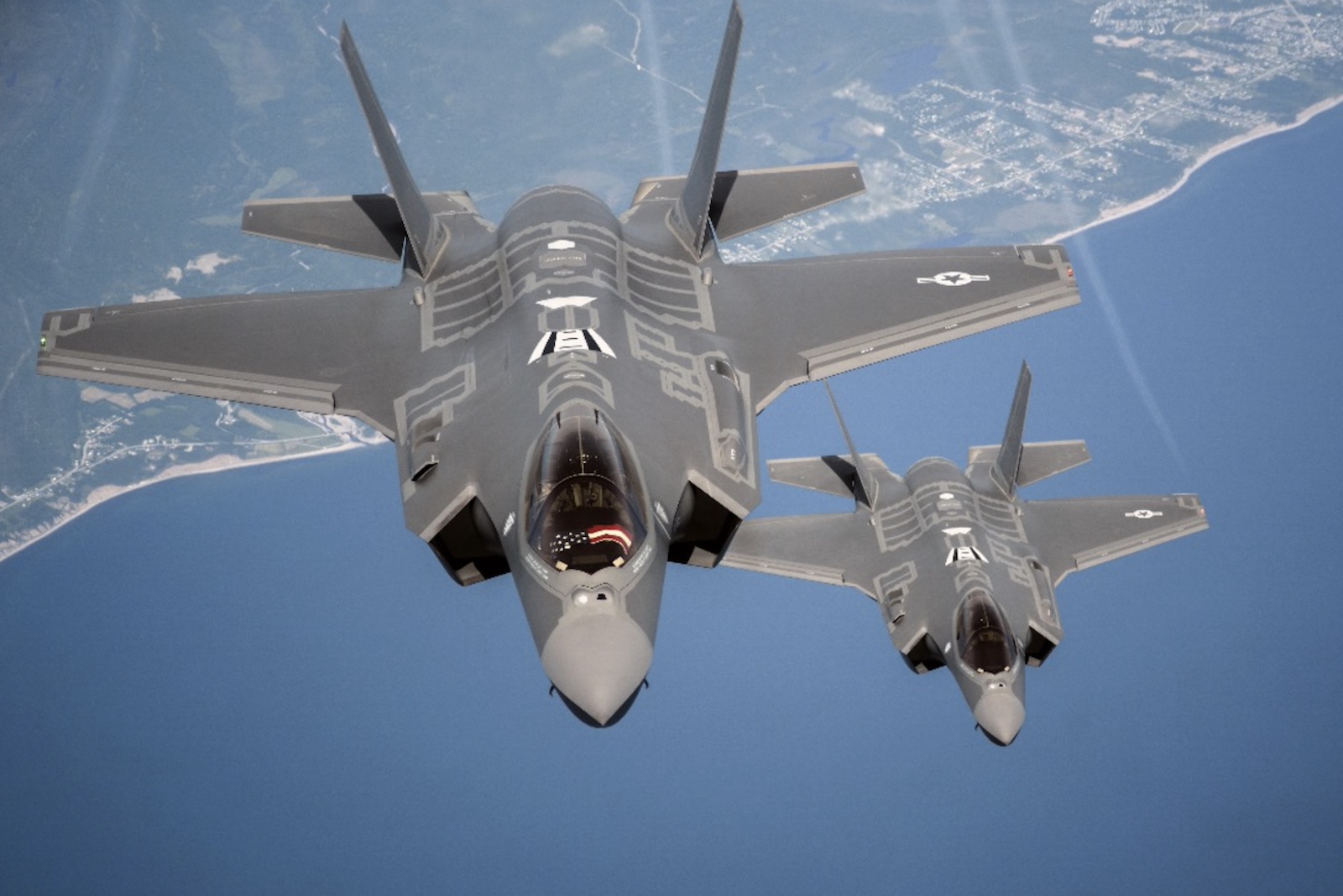
A prospective multi-billion-dollar deal involving advanced US stealth fighters for Saudi Arabia has placed American Middle East policy in a precarious position, balancing regional deterrence, Israeli air superiority, and increasing geopolitical concerns.
Overview of the Proposed Aircraft Sale
The US State Department has authorized a potential Foreign Military Sale (FMS) valued at $24.3 billion. This deal involves the transfer of 48 Lockheed Martin F-35 Lightning II fighter jets to Saudi Arabia, with the objective of enhancing the country’s ability to counteract Iranian drone threats and escalation from Yemeni Houthi fighters. This substantial initiative follows a strategic defense agreement from November 2025, permitting Saudi Arabia to procure these advanced jets directly from American manufacturers.
The proposed package includes not just the aircraft, but also critical components such as 49 Pratt & Whitney F135 engines, precision navigation systems, cryptographic technologies, and comprehensive logistical support. While the Trump administration argues that this acquisition will strengthen the interoperability of allies without upsetting the regional power dynamics, some US lawmakers have raised immediate concerns regarding its implications.
Legislative Pushback and Security Concerns
Skeptical members of Congress caution that Saudi Arabia’s growing defense and commercial ties with China could lead to the unauthorized transfer of sensitive US technology. This is reminiscent of previous instances where arms sales to the UAE faced similar scrutiny. Additionally, the potential deal tests American commitments to maintaining Israel’s military edge, especially given that Israel is the only nation in the region currently equipped with F-35s.
Congressional review of the agreement is necessary before any final negotiations can take place between principal defense contractors. If approved, the sale is anticipated to elevate Saudi Arabia’s operational capabilities, particularly in heavily defended airspace, which has historically posed challenges for older fighter jets like the F-15.
Technological and Strategic Considerations
Despite the advancements offered by the F-35, criticisms persist regarding their operational effectiveness in prolonged conflicts. Analysts point out potential vulnerabilities in relying extensively on this platform, particularly its hefty cost and operational complexities. Additionally, the possibility exists that the F-35 jets provided to Saudi Arabia may lack the advanced features available to Israeli counterparts.
As concerns about technology security multiply, there are apprehensions about China potentially accessing sensitive F-35 information through Saudi Arabia’s military dealings, particularly through shared infrastructure and personnel. This situation demands closer scrutiny, particularly as the region witnesses shifts away from traditional US alliances.
The question of whether Saudi Arabia genuinely requires the F-35 looms large. Experts argue that while the jets could have performed effectively in specific military engagements, their operational limitations under sustained conflict situations raise questions about their long-term viability for the Kingdom.
The Geopolitical Landscape Ahead
The landscape of Middle Eastern security may further evolve with Saudi Arabia’s potential acquisition of F-35s. As regional dynamics shift, the sale might serve dual purposes—providing advanced technology to Saudi Arabia while also attempting to reinforce US influence in a changing geopolitical sphere.
Should this deal materialize, its efficacy will depend on not just the technology transferred but also on the strategic alliances and regional cooperation it fosters. As countries in the Gulf assume more responsibility for their defense, the relationship between the US and its allies could face further scrutiny, possibly altering the security architecture of the Middle East for years to come.