
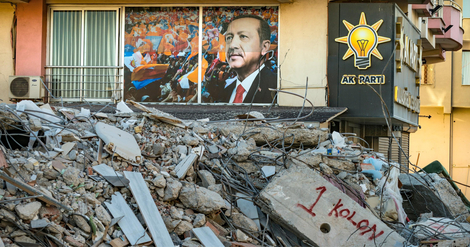
In 2018, I embarked on writing my book, From Life Itself, amid a wave of confusion and uncertainty. Having spent a decade in Istanbul, the escalating turmoil—marked by tragedy and violence—felt palpable. The initial optimism surrounding the Arab Spring faded, replaced by the grim realities of the ongoing Syrian conflict. This war had catastrophic consequences, flooding Turkey with millions of refugees while simultaneously fueling the ambitions of various militant factions, including ISIS.
The Impact of War on Communities
As the Syrian war intensified, it not only rattled neighboring countries but also placed tremendous strain on Turkish cities. The arrival of millions of refugees led to a visible transformation of urban life in Istanbul—both in terms of cultural dynamics and economic pressures. Syrian families seeking safety often found themselves in precarious situations, navigating through hostile environments that heightened fears and fueled xenophobia among parts of the Turkish population. The juxtaposition of despair and resilience among these communities became a poignant and essential part of my narrative.
Even as these events unfolded, Turkey was grappling with its own domestic challenges. The ongoing conflict with the PKK, a Kurdish militant group, added another layer of complexity. This strife not only impacted the southern border regions but reverberated throughout the country. By late 2015, terrorist attacks began to plague Istanbul—initially distant from my own neighborhood but becoming alarmingly close, some occurring just blocks away. Each explosion served as a jarring reminder of the volatility surrounding us, making it nearly impossible to ignore the whispers of fear that had engulfed daily life.
Shifting Political Landscapes
Caught in this chaotic landscape were rising sentiments of nationalism, an alarming trend that surged not only in Turkey but across the globe. In the wake of these traumas, countries from Greece to the United Kingdom and the United States experienced political transformations that often veered towards the far right. The ominous rhetoric surrounding the “death of Western civilization” became a common refrain, permeating public discourse and altering the political fabric of many nations. This rise in nationalism oftentimes overshadowed the shared humanity that rallied communities across borders in moments of crisis.
In the midst of such upheaval, my writing aimed to confront these issues head-on. I found myself reflecting deeply on the stories of both refugees and those who felt threatened by their presence. The juxtaposition of sorrow and hope became a cornerstone of my narrative. Through the lens of personal experiences and observations, I sought to document not just the chaos but also the resilience of individuals and communities facing adversity.
The Call to Engage with Humanity
Ultimately, From Life Itself serves as a reminder to engage with the complexities of our shared existence. In a world laden with division and discord, the power of storytelling can foster understanding and empathy among diverse groups. As I navigated the twisting paths of history and humanity throughout my writing process, I found an ever-present need to amplify these voices—reminding readers that every individual, regardless of their circumstances, carries a narrative worthy of sharing.
My hope is to inspire a deeper reflection on the implications of these global events, encouraging a collective acknowledgment of our interconnectedness. The journey to understanding often begins with listening and embracing the stories of others, a lesson that resonates strongly in today’s increasingly polarized world. Through this narrative, I invite you to join me in grappling with the realities of our time and the universal themes of survival, resilience, and the quest for hope in the face of adversity.