
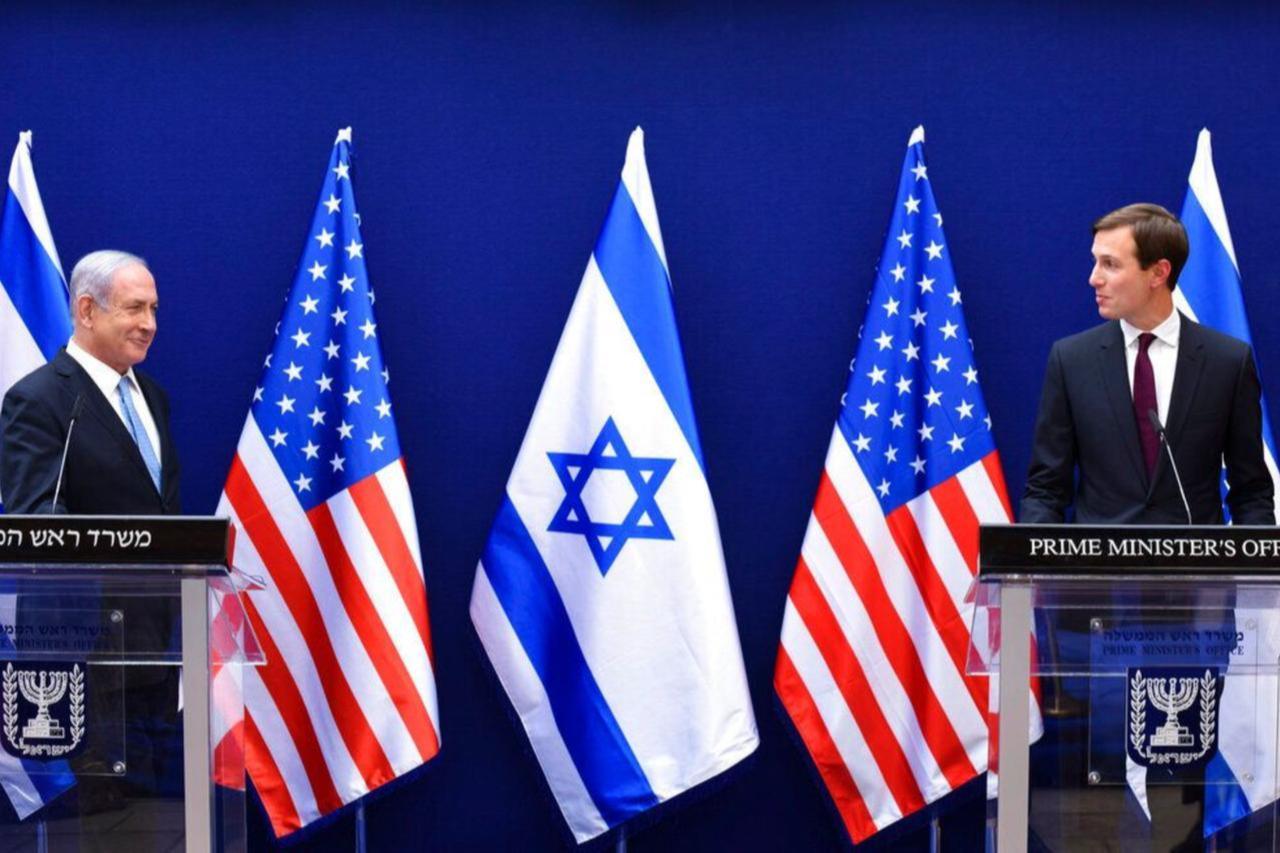
Jared Kushner, the former Trump administration’s envoy for the peace process in Gaza, made headlines recently by labeling the Israeli government’s handling of the situation as “a little irrational.” His comments came during a press briefing in Kyiv amidst ongoing conflicts and political pressures ahead of Israel’s national elections.
Election Pressures Influence Policy
During the briefing, Kushner highlighted that although the United States and Israel share a common vision for the future of Gaza, internal political dynamics have skewed Israel’s policies. He noted that Israel’s “crazy elections” have influenced its decision-making processes and asserted that the U.S. remains focused on navigating these complex political waters. This reiterates the ongoing challenges the Israeli government faces while trying to maintain stability amid an electoral environment that demands immediate public responses.
Kushner’s remarks also follow previous assertions that he urged Israeli Prime Minister Benjamin Netanyahu not to obstruct the peace roadmap. He emphasized the importance of allowing this plan to progress, suggesting that Netanyahu must avoid creating hurdles that could hinder its success. Ahead of Israel’s general elections scheduled for October 27, recent polls indicate that Netanyahu’s Likud Party is struggling, projected to receive only 20 out of the 120 Knesset seats.
Ceasefire Violations and Humanitarian Concerns
These comments were made against a backdrop of a tenuous ceasefire that has been in place since October 10, 2025. Human rights organizations and Palestinian officials have accused Israel of violating this truce numerous times. Reports from Gaza’s Health Ministry reveal that since the ceasefire began, approximately 1,344 Palestinians have lost their lives, with an additional 4,464 injured due to these violations. Such statistics underscore the dire humanitarian situation, as the region continues to grapple with the consequences of the prolonged conflict.
The ceasefire was established following nearly two years of intense warfare ignited by Hamas’s surprise attack on southern Israel on October 7, 2023. While Palestinian officials claim that over 73,000 have perished in Gaza as a result of the conflict, Israel has consistently questioned aspects of these casualty figures. This ongoing debate brings to light the differing narratives surrounding the conflict, complicating any efforts toward lasting peace.
Kushner’s Influence and Future Implications
Kushner’s role as a senior adviser and son-in-law to former President Donald Trump has positioned him as a key player in shaping U.S. Middle East policy, especially regarding the Gaza ceasefire and peace negotiations. His criticisms reflect a growing frustration among U.S. officials over Israel’s commitment to the peace roadmap. Despite this, the Trump administration has remained publicly supportive of Israel’s long-term objectives in the region.
As Israel navigates its political landscape in the lead-up to the elections, the stakes are high. Kushner’s insights highlight how internal electoral pressures could hinder efforts aimed at achieving peace and stability in Gaza. While the U.S. is determined to help mitigate these challenges, the complexities of Israeli politics will undoubtedly continue to influence the course of action taken by its government.
In the weeks leading up to the elections, all eyes will be on Israel to see how these dynamics unfold and what implications they may have for the broader Middle East peace process.