
Understanding Jizya and Jihad in Islamic History
Jizya, a historical poll tax imposed on non-Muslims in Islamic territories, has often been interpreted as a form of subjugation rather than a protective measure. This tax system is closely linked to the broader doctrine of jihad, which extends beyond physical warfare to include ideological and demographic strategies. This discussion places jizya within the framework of jihad, tracing how earlier systems of governance contributed to the mass violence against Christian communities during the late Ottoman Empire and the establishment of modern Turkey.
The Complex Nature of Jihad
The concept of jihad has frequently been misunderstood, often reduced to merely “struggle.” Although this characterization is partly accurate as it describes an internal spiritual battle against sin, it fails to encompass its complete significance within Islamic jurisprudence. Scholars often delineate jihad into two categories: jihad by the sword, which encompasses military confrontations to expand Muslim domains, and jihad by the tongue, which involves intellectual arguments intended to uphold Islamic doctrine and convert non-believers.
Historically, these forms of jihad were not seen as mutually exclusive; rather, they functioned synergistically to support an overarching agenda. The military conquests empowered empires, while the ideological underpinnings justified these expansions to both conquered populations and those who remained resistant. This dynamic raises questions regarding the legitimacy of criticisms surrounding jizya, as this financial obligation provided an ongoing economic benefit to the Muslim state while disenfranchising non-Muslims.
The Financial Mechanisms of Dominance
The jizya tax, often regarded as a means of citizenship for non-Muslims, effectively established them as second-class citizens within an expanding empire. Upon the conquest of new territories, non-Muslim communities were faced with three choices: embrace Islam, pay the jizya tax, or face subjugation. Notably, jizya is better understood as a structural instrument of revenue extraction rather than simply a civic fee, reinforcing the state’s financial needs.
The institutionalization of jizya aligns with a broader imperial strategy, paralleling systems used in various historical contexts where newly subjugated populations were transformed into resources for the ruling authority. Scholars have documented how this system was financialized, with tax revenues flowing from conquered agrarian lands into state treasuries, thereby facilitating further expansion efforts. In this view, jizya appears less as a method of tolerance and more as a means of maintaining societal hierarchy.
Demographic Strategies Behind Conquest
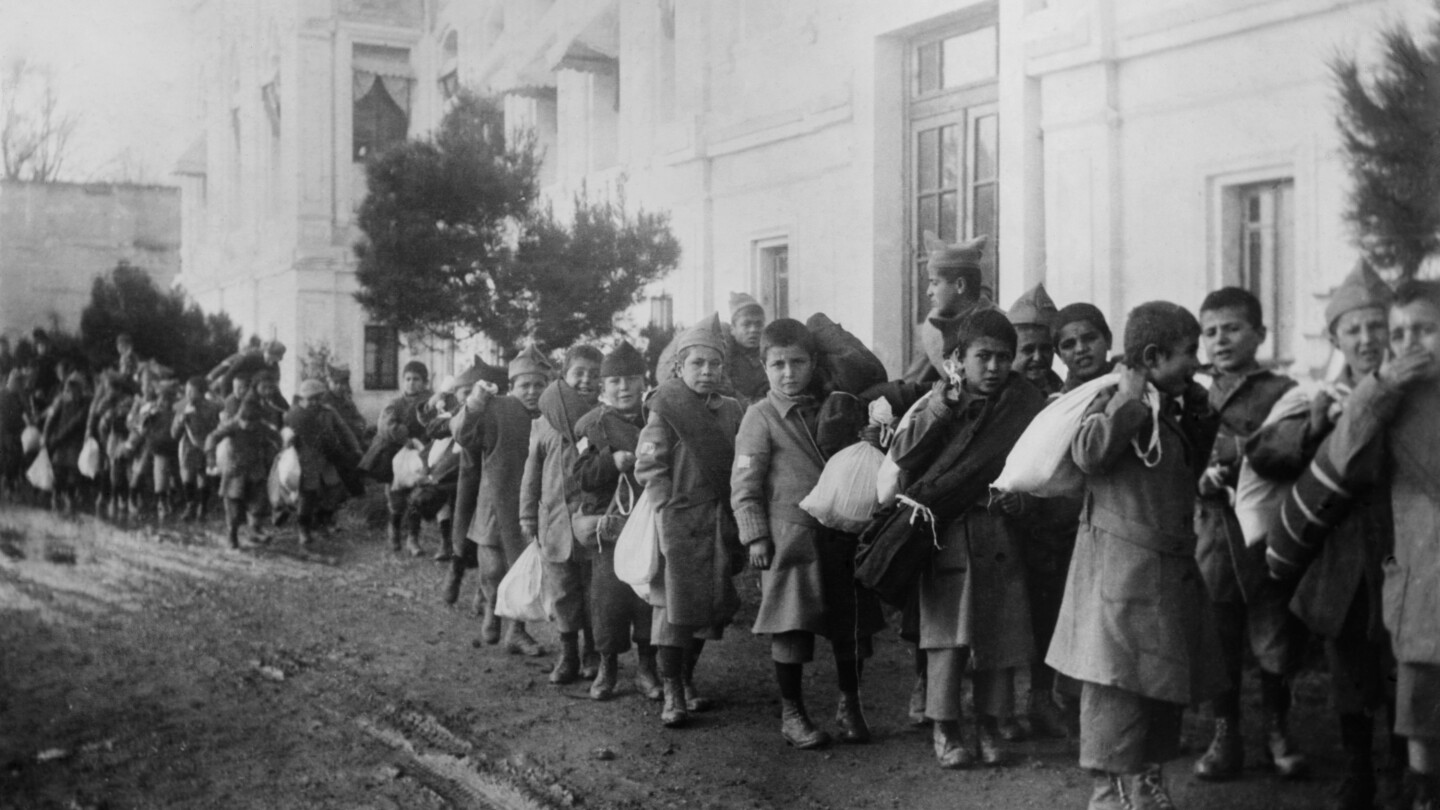
Beyond taxation, various demographic techniques have historically accompanied jihad to reshape non-Muslim populations. These practices included enslavement, the child levy known as devshirme, and forced deportation. The devshirme system, which conscripted Christian boys for military and administrative service, exemplifies how the state viewed conquered populations as resources to be utilized for its benefit.
Such practices served to absorb and reclassify non-Muslim populations into the state apparatus, illustrating how profoundly ingrained patterns of demographic manipulation can have lasting repercussions. As these methods evolved over centuries, they became normalized within the administrative framework, creating a toolkit exploited during the late Ottoman period for broader genocidal objectives, particularly against Armenians, Greeks, and Assyrians from 1914 to 1923.
Understanding the historical connections between the jizya system, jihad, and the subsequent violence against Christian minorities is crucial for recognizing the structural mechanisms that enabled such tragedies. This analysis underscores the need for critical discussions around accountability and the historical legacies that continue to impact contemporary societies.