
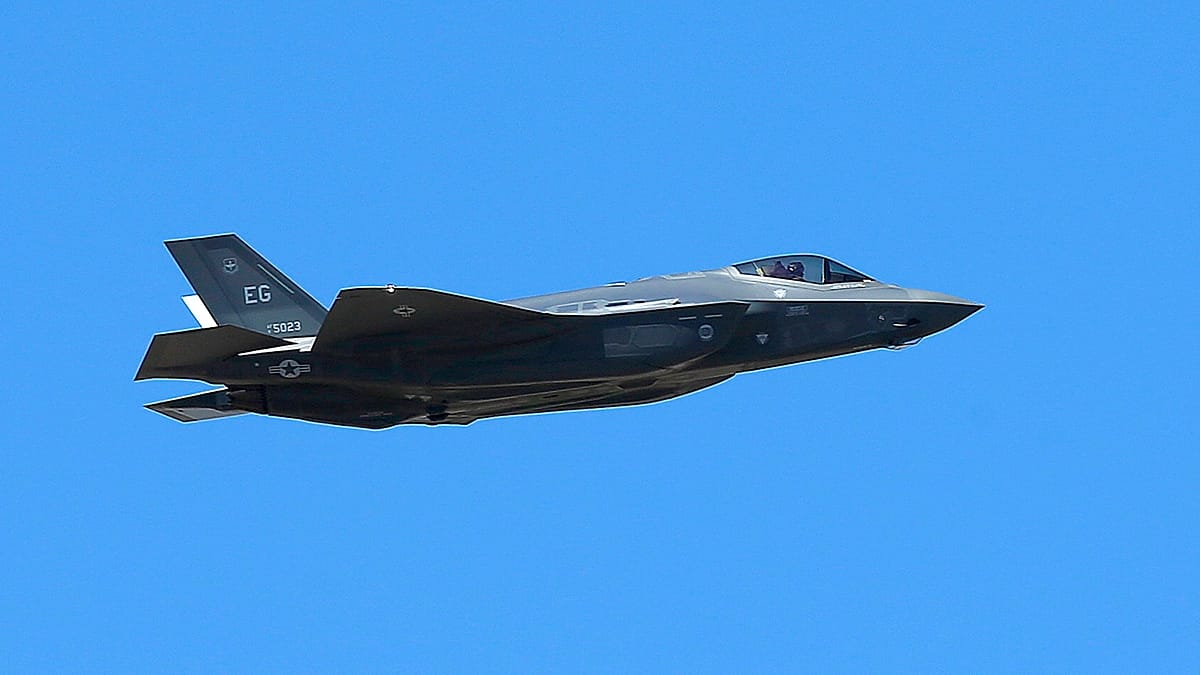
The potential for Turkey’s re-entry into the F-35 fighter jet program is causing a stir in Washington, as various interest groups, including the Greek-American lobby and members of Congress, push to maintain legal barriers against the sale of U.S. military aircraft to Ankara. This debate is further fueled by concerns over regional stability and security dynamics, particularly in relation to Greece.
The Context of Turkey’s F-35 Ambitions
Discussions around Turkey’s participation in the F-35 program gained momentum following a meeting between U.S. President Donald Trump and Turkish President Recep Tayyip Erdogan. Despite this renewed interest, the U.S. administration has yet to make an official decision regarding Turkey’s reinstatement in the program. Athens recognizes that countries have the sovereign right to determine their armaments; however, it believes it must voice its security concerns to allies, especially about Turkey’s ongoing military capabilities and tensions impacting Greek sovereignty.
Greece maintains that while Turkey is a NATO member, unresolved issues persist, including Turkey’s long-standing justification for war against Greece established by its legislative body in 1995. The question of sovereignty over the Aegean Sea and Eastern Mediterranean also looms large. Consequently, Greece is advocating for stringent safeguards and unequivocal assurances that advanced weapons systems sold to Turkey will not be used against its neighbors or fellow NATO members.
Congressional Dynamics Surrounding the F-35 Debate
The conversation has shifted to Congress, where proponents of maintaining restrictions cite Turkey’s removal from the F-35 initiative in 2019 as a direct response to its purchase of the Russian-made S-400 missile system. Democratic Congresswoman Dina Titus of Nevada has taken a leading role by rallying support from 18 colleagues to send a letter to House leadership. This letter articulates their commitment to ensuring that existing laws are upheld and indicates that Congress will be prepared to intervene should the administration attempt to expedite Turkey’s reintegration into the F-35 program.
According to Thanos Davelis, Director of Public Affairs at the Hellenic American Leadership Council (HALC), this initiative represents the first concerted congressional action against a pivot in policy towards Turkey. While many Republicans share concerns about a potential sale of F-35s to Turkey, they prefer a more subtle approach, seeking to influence the administration from within their party connections rather than through public statements.
Legal Considerations and Legislative Restrictions
A significant aspect of the opposition to Turkey’s return to the F-35 program stems from established congressional restrictions. The purchase of the S-400s triggered the implementation of the CAATSA law, which enforces sanctions on countries acquiring Russian defense technologies. Additionally, U.S. defense budgets contain provisions that tie Turkey’s eligibility for the F-35 program to its commitment to eliminating the S-400s from its arsenal.
Davelis notes that this legal framework originated during Trump’s first term and was designed to impose consequences not just on Turkey but on other nations engaging with Russian defense systems. The current discussions revolve around the term “possession” in U.S. law, which may imply that Turkey must not only refrain from using the S-400s but also remove them entirely from its control for sanctions to be lifted.
The Greek-American Lobby’s Ongoing Influence
The efforts to lobby against Turkey’s re-entry into the F-35 program extend beyond the Greek-American community. Other influential organizations, including those representative of the American-Jewish community, are aligning themselves with this cause in Washington. Their collective aim is to create a robust political presence advocating for the continuation of restrictions imposed on Turkey.
HALC remains actively engaged with congressional members, governmental authorities, and think tanks to safeguard against potential policy shifts favoring Turkey. The outcome will undoubtedly hinge on the tension between the White House’s desire for a fresh start with Ankara and Congress’s stringent legislative stances regarding Turkey’s military acquisitions. As Davelis concludes, if Congress mobilizes effectively, the potential consequences of these discussions could be significant.