
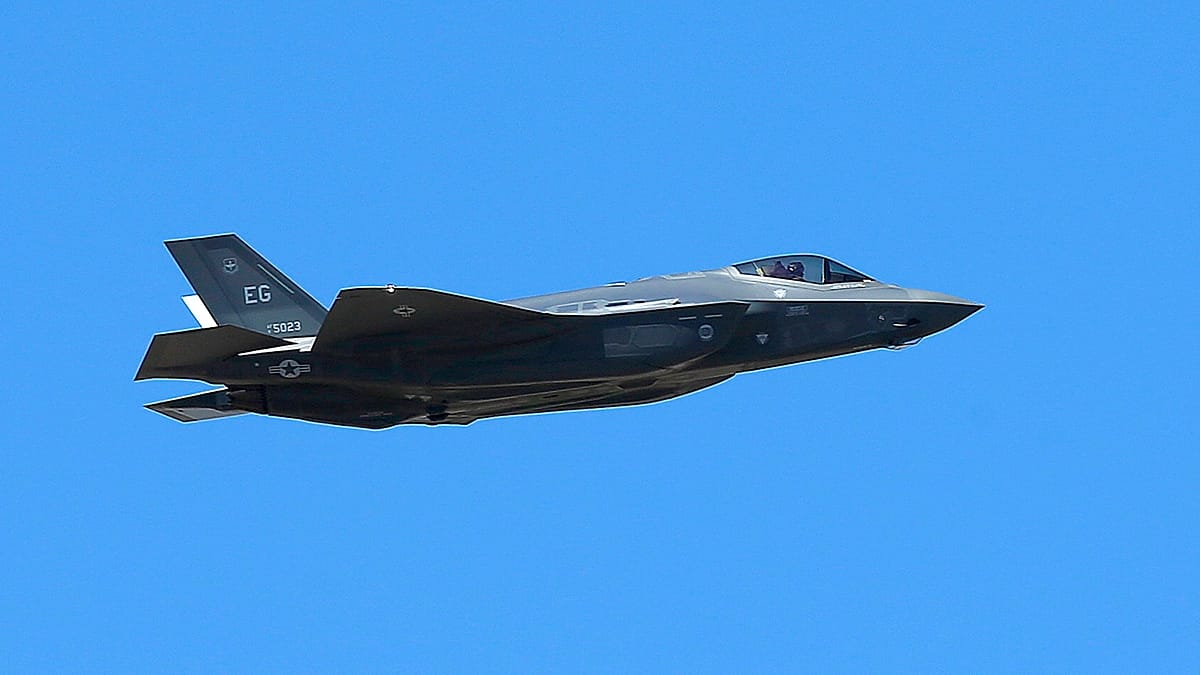
The relationship between the United States and Turkey is experiencing a crucial moment as discussions unfold regarding Turkey’s potential return to the F-35 fighter jet program. While the White House appears eager to strengthen ties with Ankara, concerns voiced by some members of Congress might complicate these efforts.
The White House’s Approach to Turkey
The Biden administration has signaled an intent to collaborate more closely with Turkey, a NATO ally with strategic importance in the region. Bolstered by their partnership in combatting shared threats, especially in light of escalating tensions in Eastern Europe and the Eastern Mediterranean, U.S. officials believe that re-engagement could offer mutual benefits. Official statements from the White House have emphasized the importance of dialogue and partnership with Ankara to address ongoing regional security challenges.
However, this pursuit of closer ties is not without its hurdles. Some lawmakers in Congress have expressed apprehensions regarding Turkey’s reentry into the F-35 program, given its complex geopolitical actions in recent years. Issues such as Turkey’s acquisition of Russian military hardware and its involvement in conflicts like those in Syria and Libya have raised eyebrows. These developments have led to calls from various congressional members to exercise caution and ensure that any partnership aligns with U.S. interests and security standards.
Concerns Raised by Congress
The concerns emanating from Congress primarily revolve around national security implications. Lawmakers worry that allowing Turkey back into the F-35 program may inadvertently compromise sensitive technology and intelligence. The F-35 jet is not only a cutting-edge fighter but also contains advanced features that are critical for maintaining air superiority. Many legislators fear that these technologies could be jeopardized if transferred to a country whose recent actions have included strengthening ties with non-NATO countries, particularly Russia.
Moreover, the legislative branch has increasingly voiced the need for greater scrutiny and transparency regarding Turkey’s military actions. Some members of Congress are calling for conditions to be placed on the reintroduction, insisting that Turkey must demonstrate its commitment to NATO principles and strategic cooperation before any discussions progress. This position further complicates the White House’s attempts to forge a stronger bond with Ankara.
Implications for U.S.-Turkey Relations
Balancing these dynamics will be essential for the future of U.S.-Turkey relations. Strengthened collaboration could yield significant benefits, such as increased coordination in counter-terrorism efforts and enhanced regional stability. However, the Biden administration must navigate these concerns judiciously to maintain support from Congress.
As discussions continue, the outcome will likely revolve around how both parties can reach a consensus that addresses lawmakers’ apprehensions while fostering a renewed partnership. If a diplomatic path can be forged that satisfies both the White House’s aspirations and Congress’s security concerns, it may set a positive trajectory for U.S.-Turkey relations in the future.
Ultimately, the intricacies of this situation highlight the ongoing challenge of managing international relations in a complex geopolitical landscape. The interplay between government branches in the U.S. will be critical in determining how these issues play out, especially given the strategic importance of Turkey in NATO and global security frameworks. As the dialogue unfolds, all eyes will be on the Biden administration’s next steps and how they will respond to both allies and critics.