
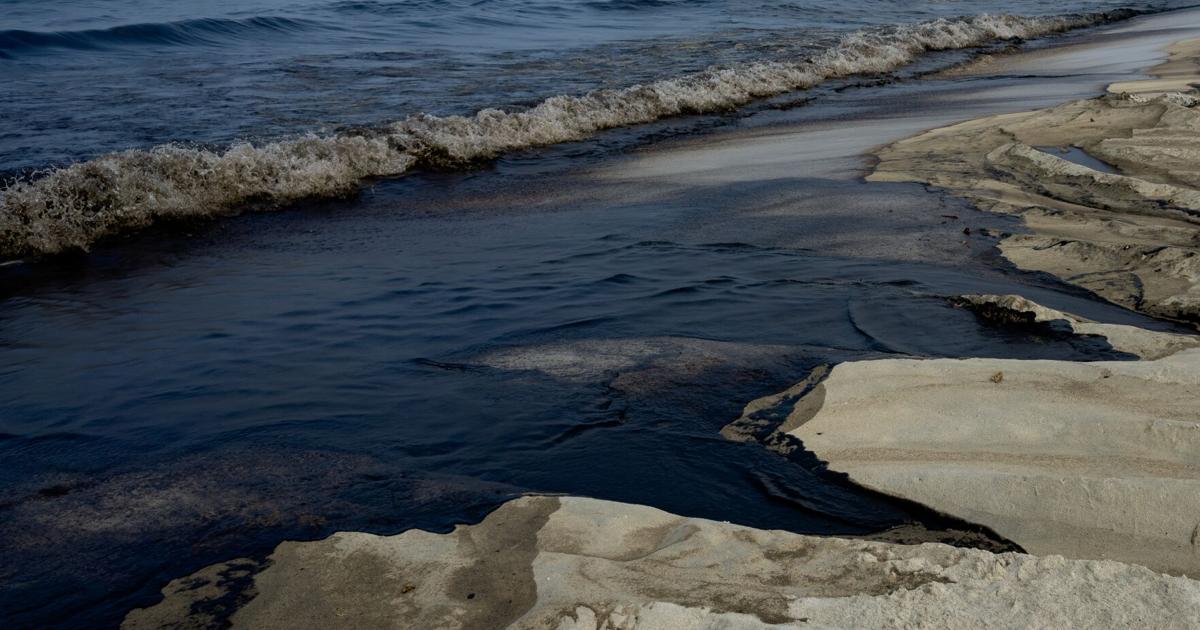
On October 24, 2026, an alarming environmental incident unfolded when oil began to wash ashore on the beaches of Umm Al Quwain, United Arab Emirates. This incident raises significant concerns about the impact of oil spills on marine ecosystems, local economies, and public health, highlighting the need for effective response strategies and preventive measures.
The Environmental Impact of Oil Spills
Oil spills can have devastating effects on marine environments. When oil coats the surface of the ocean, it can disrupt the delicate balance of aquatic ecosystems. Marine wildlife, including fish, birds, and mammals, are particularly vulnerable. Oil interferes with the ability of animals to breathe, find food, and reproduce, ultimately leading to diminished populations. Additionally, the oil can cause long-term damage to local habitats, affecting plant life and the overall health of the marine ecosystem.
Local Economic Consequences
The economic repercussions of an oil spill can be severe, especially for regions that rely heavily on tourism and fishing. In Umm Al Quwain, local businesses that depend on visitors may suffer immediate losses, as beaches become unattractive due to pollution. The fishing industry also faces significant threats, as contaminated waters can lead to a depletion of fish stocks. This can result in job losses and financial hardship for local families, amplifying the need for effective spill prevention and mitigation strategies.
Health Risks to Communities
Oil spills also pose significant health risks to nearby communities. When oil contaminates the water and air, it can lead to various health issues for residents, including respiratory problems and skin irritations. The presence of oil can also taint drinking water supplies, further jeopardizing public health. Therefore, it’s critical for authorities to communicate effectively with the affected communities, providing information and resources to manage potential risks.
Strengthening Prevention and Response Strategies
In light of the Umm Al Quwain incident, the importance of robust prevention measures becomes evident. Authorities must prioritize the development of regulations and technologies designed to minimize the likelihood of spills. This includes ensuring that oil extraction and transportation are carried out safely, employing advanced monitoring systems, and conducting regular safety drills. Moreover, investing in rapid response teams trained to handle oil spills can significantly mitigate environmental and economic damage.
The 2026 oil spill in Umm Al Quwain serves as a stark reminder of the ongoing threats posed by environmental hazards. By enhancing prevention protocols and improving community preparedness, we can protect fragile marine ecosystems, support local economies, and safeguard public health. Continued vigilance and proactive measures are essential in addressing the challenges associated with oil spills and ensuring a sustainable future for affected regions.