
Egypt relies heavily on the Nile River, which provides 98% of its water resources. To address the challenges posed by water scarcity, climate change, and rising demand, cooperation among Nile Basin countries is essential. This collaboration should adhere to international laws and principles, such as prevention of harm, advance notification, consultation, and data sharing.
Challenges Facing Mediterranean Nations
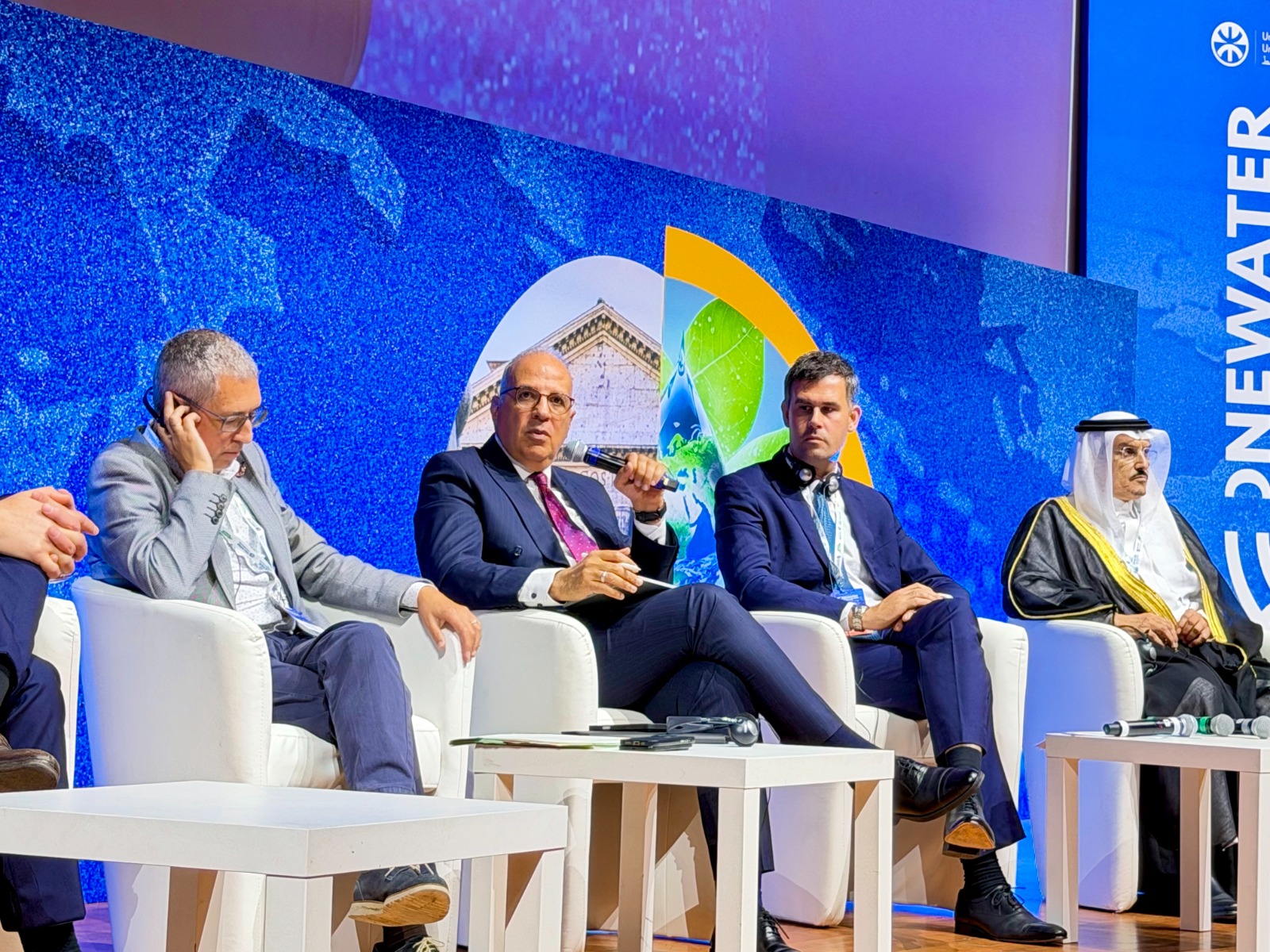
During his speech at the Euro-Mediterranean Water Forum 2026 in Rome, Water Resources and Irrigation Minister Hani Sewilam emphasized that Mediterranean countries are grappling with similar issues. These include water scarcity, deteriorating water quality, climate change, and increasing social and economic demands driven by the need for development and food security. The pressing nature of these challenges calls for let stronger regional partnerships, enhanced joint projects, and financing solutions that convert policy discussions into actionable outcomes.
Innovative Approaches to Water Resource Management
Egypt is proactively expanding water treatment and reuse initiatives and exploring non-conventional sources of water, including desalination techniques aimed at bolstering food production. Through its “Water 2.0” initiative, the country is increasingly leveraging innovation, digital solutions, and smart management practices. Sewilam highlighted existing collaborations with other Nile Basin countries on development and capacity-building projects. He also pointed out opportunities for further integration based on shared resources like agricultural land, solar, and wind energy.
In addition, Sewilam called for a more comprehensive evaluation of water resources, urging stakeholders to recognize not only “blue water” from rivers and lakes but also “green water” derived from rainfall and soil moisture. Such an approach would provide a fuller picture of the available resources and lead to more effective management strategies.
Enhancing the Water-Energy-Food Nexus
During a separate session focused on the connection between water, energy, food, and ecosystems, Sewilam noted that improving resource efficiency among these sectors is vital for strengthening regional water, food, and energy security. He suggested that collaborative regional and cross-border projects could play a crucial role in enhancing this nexus. The African Water Vision 2063 is proposed as a guiding framework for fostering greater cooperation among African nations to tackle shared water, food, energy, and climate challenges.
Furthermore, Sewilam pointed to the decline in renewable energy costs as an avenue for increasing the use of solar power in both desalination and food production processes. He advocated for more research and innovation aimed at lowering desalination costs, emphasizing that integrating desalinated water into agricultural practices necessitates a significant boost in water productivity. Modern agricultural systems, like hydroponics and aquaponics, promise the ability to yield greater food production while using less water overall.
In conclusion, Mediterranean countries are equipped with abundant renewable energy resources, technology, and expertise that can facilitate deeper cooperation between the northern and southern shores. By effectively translating the water-energy-food nexus into practical projects, nations can address pressing challenges and secure a sustainable future for their populations.